IT Helpdesk Services, Detroit, MI
IT Helpdesk Services in Detroit
An IT helpdesk is the single place your Detroit team contacts when technology breaks, and it resolves those issues fast so work keeps moving. Zenetrix staffs it with real engineers who fix most tickets remotely and come on-site when hardware needs hands.
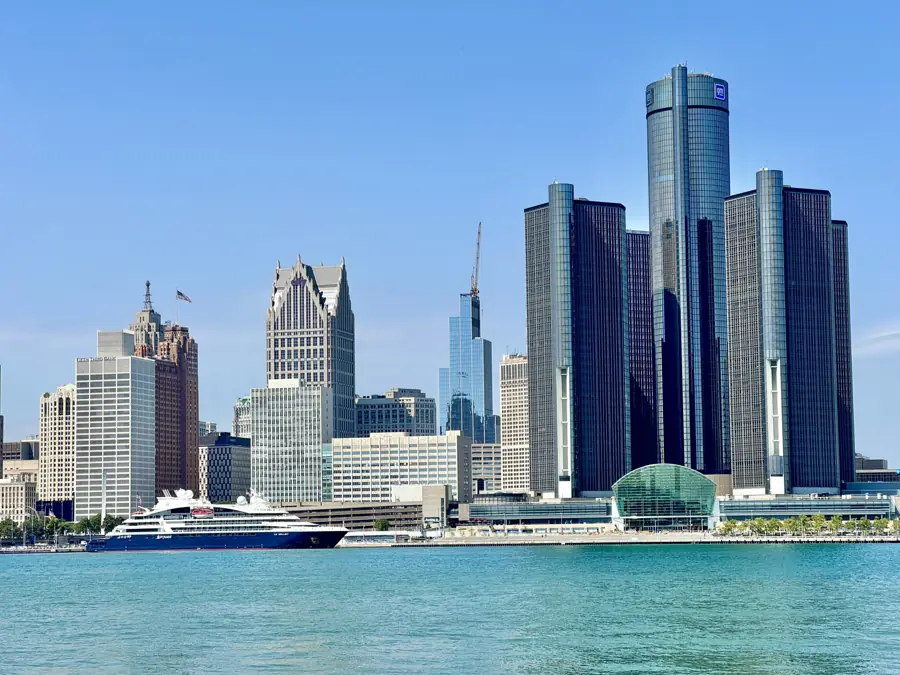

What an IT helpdesk covers for Detroit businesses
An IT helpdesk resolves the everyday technology problems that stop your team from working, from a locked account at 7am to a printer that will not talk to a new laptop. Zenetrix runs a single point of contact so a Detroit employee reports one issue and gets one answer, instead of chasing several vendors. Common requests the helpdesk handles include the following.
- Accounts and access, including password resets, lockouts, and multi-factor authentication. See cybersecurity services.
- Email and Microsoft 365 problems across Outlook, Teams, SharePoint, and OneDrive.
- Windows and applications, covering errors, crashes, updates, and software installs.
- Hardware and printers, from a failing laptop to a shared office printer or VoIP phone.
- Connectivity, including VPN, Wi-Fi, and remote-work access. See IT networking.
- New-user setup so a new hire is provisioned, secured, and ready on day one.
Fast response, remote first with on-site backup
Fast response is the whole point of a helpdesk, so Zenetrix answers quickly and fixes most issues remotely within minutes. When a ticket needs hands, whether a dead switch, a hardware swap, or an office move, an engineer comes on-site across Metro Detroit and Southeast Michigan. Every request is logged and tracked, so you see the status of each ticket and nothing quietly falls through the cracks. You reach a technician, not an endless queue.
Tiered support that escalates the right way
Good helpdesks route each ticket to the person who can actually solve it, and Zenetrix uses a tiered model to do that. Tier 1 clears common requests such as resets, installs, and how-to questions. Tier 2 takes deeper technical problems that need specialist knowledge, such as a stubborn application or a mail-flow issue. Tier 3 handles the most complex work, including servers, networks, and root-cause fixes that stop a problem from returning. Routing a Detroit ticket to the right tier means it gets solved once instead of bounced between people.
Helpdesk and managed IT, working together
A helpdesk responds to problems, and managed IT prevents them, so the two belong together. The Zenetrix helpdesk sits inside a managed service that monitors and patches your systems around the clock, which means fewer tickets reach the desk in the first place. If your business already has internal IT, co-managed support lets Zenetrix run the helpdesk and after-hours coverage while your staff keeps ownership of the bigger picture. Either way, you replace surprise repair bills with one predictable monthly cost.
Industries we support across Detroit
Zenetrix tunes helpdesk support to how regulated Detroit industries actually operate. We support manufacturing and the automotive supply chain, where shop-floor and ERP uptime matter, along with healthcare practices, legal firms, finance and accounting teams, construction, and professional services. Where compliance applies, technicians follow the controls a business must meet, such as HIPAA, PCI, and SOC 2, and they use least-privilege access and audited remote tools on every session.
Local coverage across Metro Detroit
A local helpdesk means faster on-site response and engineers who know the Metro Detroit business landscape. Zenetrix supports downtown Detroit and the surrounding Southeast Michigan communities, including Troy, Southfield, Warren, Dearborn, Livonia, Royal Oak, and Ann Arbor. Remote support reaches your team wherever they work, and an on-site visit is a short drive away when the job needs one.
Predictable, per-user pricing
Outsourced helpdesk support is typically billed per user per month, so the cost scales cleanly with your team instead of spiking with every incident. Zenetrix quotes one flat rate after a short assessment of your users, devices, and typical support volume, which turns IT support into a line item you can budget with confidence. There are no per-ticket surprises for covered work.
How onboarding works
Assess
We document your users, devices, and common issues, then agree on coverage and priorities.
Secure and set up
We connect monitoring, secure remote access, and stand up your ticket intake.
Support and improve
We answer daily tickets and fix recurring problems at the root so volume drops.
IT helpdesk pricing models in Detroit and what they cover
What you pay for an IT helpdesk in Detroit depends mostly on the pricing model, not the provider's brand. Outsourced helpdesk support is billed in one of five ways, and each one fits a different kind of team.
- Per user per month, the model most managed providers use, so the cost scales with headcount.
- Per device per month, which counts workstations, servers, and mobile devices instead of people.
- Per ticket, where you pay for each resolved request, which suits low or unpredictable volume.
- Flat-rate, one predictable monthly fee for a defined scope of covered work.
- Hourly or block hours, best for occasional or one-off support rather than daily coverage.
Coverage hours, the breadth of scope, and any compliance requirement move the number the most. Around-the-clock coverage costs more than business-hours support, and a regulated Detroit business under HIPAA or PCI pays for the extra controls. Zenetrix quotes a flat per-user rate after a short assessment, so your Detroit team knows the cost before any work starts.
Industry pricing for outsourced IT helpdesk support typically runs $25 to $250 per user per month, from basic remote support at the low end to a fully managed 24/7 desk at the top.
Source: ExterNetworks, IT Help Desk Service Pricing, 2025. extnoc.comResponse times, SLAs, and how tickets are tracked
A service-level agreement, or SLA, is the written promise that sets how fast your Detroit helpdesk answers and resolves each request, so support is measurable instead of a hope. A good SLA assigns every request a priority, then commits to two separate targets: a first-response time, which is how quickly a technician acknowledges the ticket, and a resolution time, which is how quickly it is fixed. Urgent, business-stopping issues carry tighter targets than routine questions, and 24/7 coverage extends those targets beyond office hours.
Behind the SLA sits the ticketing system. Every request that reaches Zenetrix is logged as a ticket, assigned an owner, prioritized, and tracked to close, so nothing falls through the cracks. Your Detroit team can open tickets by phone, by email, or through a self-service web portal, and work escalates from Tier 1 to a specialist when it needs deeper knowledge. Zenetrix measures first-contact resolution and customer satisfaction on that flow, then agrees the response and resolution targets in writing before onboarding, so you can hold the desk to the numbers.
Certified technicians and ITIL-based helpdesk processes
The engineers who answer your tickets hold vendor certifications, so a Detroit request reaches someone who has solved the problem before rather than a script reader. Zenetrix technicians carry credentials across the platforms your business actually runs, including CompTIA, Microsoft, Cisco, VMware, and ISC2 security certifications. Those skills matter most when a Tier 1 fix is not enough and the ticket moves to a specialist.
Certifications only help if the process around them is consistent. Zenetrix runs the helpdesk on ITIL-aligned practices for incident and service-request handling, backed by documented runbooks and a shared knowledge base, so common Detroit issues are resolved the same reliable way every time and answered once rather than rediscovered. Every session uses least-privilege access and audited remote tools, which keeps support fast without loosening security.
IT helpdesk vs IT service desk, explained
An IT helpdesk fixes problems as they happen, while an IT service desk manages the wider set of IT services around them, so the two solve related but different jobs. A helpdesk is reactive and incident-focused: password resets, application errors, a printer that stops responding, an outage that needs a fast answer. A service desk is broader and follows IT service management (ITSM) practice, handling service requests such as new-user provisioning, along with change management and asset tracking, and acting as the single front door to IT.
The practical difference is incident versus service request. An incident is something broken that needs restoring; a service request is a planned ask, like a new laptop or added access. Zenetrix runs a Detroit helpdesk with service-desk discipline, pairing fast incident fixes with organized ticketing, SLAs, and asset tracking, so you get quick resolutions and structured service management together.
Other IT services in Detroit
IT Helpdesk services in nearby cities
Frequently asked questions
What is the difference between an IT helpdesk and managed IT services?
An IT helpdesk answers day-to-day support requests, such as password resets, email problems, and software errors. Managed IT is the broader service that also monitors, patches, secures, and plans your systems so fewer issues reach the helpdesk. Zenetrix runs the Detroit helpdesk as part of managed IT, so support and prevention work together.
How much do outsourced IT helpdesk services cost in Detroit?
Outsourced helpdesk support is usually billed per user per month, so the price scales with your headcount and the hours of coverage you need. Zenetrix quotes one flat monthly rate after a short assessment of your users, devices, and support volume, which keeps the cost predictable.
What issues can your IT helpdesk resolve?
The Zenetrix helpdesk handles password and account lockouts, email and Microsoft 365 problems, Windows and application errors, printer and hardware faults, VPN and connectivity issues, and new-user setup. Requests it cannot fix remotely are escalated or sent on-site across Metro Detroit.
Is your Detroit IT helpdesk available 24/7?
Yes. Zenetrix offers around-the-clock helpdesk coverage so a Detroit business with early shifts, late shifts, or weekend work can reach a real engineer whenever something breaks, not only during office hours.
Do you provide both remote and on-site helpdesk support around Detroit?
Yes. Most tickets are resolved remotely within minutes, and Zenetrix dispatches an engineer on-site across Metro Detroit and Southeast Michigan when hardware, network gear, or a physical move needs hands on-site.
What is the difference between Tier 1, Tier 2, and Tier 3 helpdesk support?
Tier 1 handles common requests like resets, installs, and how-to questions. Tier 2 takes deeper technical problems that need specialist knowledge. Tier 3 covers the most complex work, such as servers, networks, and root-cause fixes. Zenetrix routes every Detroit ticket to the right tier so it is solved once, not bounced around.
How do you keep our data secure and compliant while supporting us?
Zenetrix technicians use least-privilege access, multi-factor authentication, and audited remote tools, and they map support practices to the standards a Detroit business must meet, such as HIPAA, PCI, and SOC 2, where they apply.
Can your IT helpdesk work alongside our in-house IT team?
Yes. In a co-managed setup, Zenetrix handles day-to-day tickets, after-hours coverage, and overflow while your in-house Detroit staff keeps ownership of projects and strategy. Your team decides which request types route to us, and shared ticketing keeps both sides looking at the same queue.
What reporting do you provide on helpdesk performance?
Zenetrix sends a monthly report covering ticket volume, average first-response and resolution times, first-contact resolution rate, and customer satisfaction scores. The report shows where recurring issues cluster in your Detroit environment, so we fix root causes and drive ticket volume down over time.
Is it cheaper to outsource IT helpdesk support or hire in-house?
For most small and mid-sized Detroit businesses, outsourcing is cheaper than a full in-house desk. One flat per-user rate replaces the salary, benefits, tooling, and training of dedicated staff, and it removes the coverage gap when a single internal technician is on leave. A larger team with steady, high volume may justify hiring, and a co-managed model splits the difference.
How long does it take to onboard a Detroit business to your helpdesk?
Onboarding time depends on your size and how well your systems are documented. Zenetrix first assesses your users, devices, and common issues, then connects monitoring, secures remote access, and stands up ticket intake. A small Detroit office can be live quickly, while a larger or more complex environment takes longer to document properly before support begins.
Detroit teams, meet a helpdesk that answers
Get a free Detroit IT assessment
We will review your support volume, flag the recurring issues, and show you exactly where a managed helpdesk fits, with no obligation.
Book Your Assessment